Unbroken in its continuity, Awareness is enlightenment's expanse — Changeless, motionless, the vast abyss of space, Pervasive from the very first. —Longchenpa
Stay connected
Join our newsletter
Notes on new courses, coaching openings, and group practice events.
An experiential eight-week course integrating Tummo breathwork with the nondual view of Dzogchen — a contemporary, pragmatic approach to deep healing, unwavering presence, and unconditional kindness. Learn to safely engage with intense sensations, emotions, and bliss states while remaining grounded in immediate, open, non-interpretive awareness.
Taught in a modern, pragmatic style without being tied to specific cultural traditions, the course guides you through a progressive series of practices that work with the breath, the subtle body, and always-available open awareness. Whether you're entirely new to these practices or a seasoned practitioner, you'll learn to integrate these profound methods into daily life — supporting more presence, authenticity, and compassion in your relationships, work, and sense of purpose.
Whether you're seeking to heal from patterns of anxiety, navigate intense emotions, or live with greater ease, the course offers a comprehensive set of tools to help you invite complexity, experience present aliveness, and investigate resistance to present experience. Discover how to safely harness the transformative potential of Tummo while grounding your practice in the nondual wisdom of Dzogchen.
Curriculum
Dzogchen and Tsa Lung
The course incorporates Dzogchen instructions from Vima Ladrup and the Tsa Lung method associated with Vajrayoginī practices. We work directly with the breath and subtle body as a way of meeting immediate experience rather than bypassing it.
Bruce Tift — with a forty-year background in Vajrayāna Buddhism and marriage and family therapy — offers insights on integrating Buddhist practice with therapeutic approaches.
Somatic Practices
We train to be present with immediate, embodied, sensation-level experience, aiming to cultivate more frequent moments of open-heartedness and presence. Jonny Miller joins us to share methods that promote healthy nervous-system response and recovery.
Course details
Schedule
An 8-week course beginning Autumn 2026. Live on Zoom Wednesday evenings at 5:00 PM PST, with weekend-morning office hours. The program runs in two four-week parts separated by a two-week integration break.
Materials
All sessions and study materials are recorded and posted to the learning platform, alongside pre-recorded practice tutorials and printed materials.
Office hours
Weekend mornings — a chance to clarify practice questions and dive deeper into the course material.
Community
We learn by teaching one another. Cohort participants will have opportunities to connect and share their practice.
Who this is for
No cultural or religious affiliation with Tibetan traditions is required. The only requirement is being a human being with curiosity and grit.
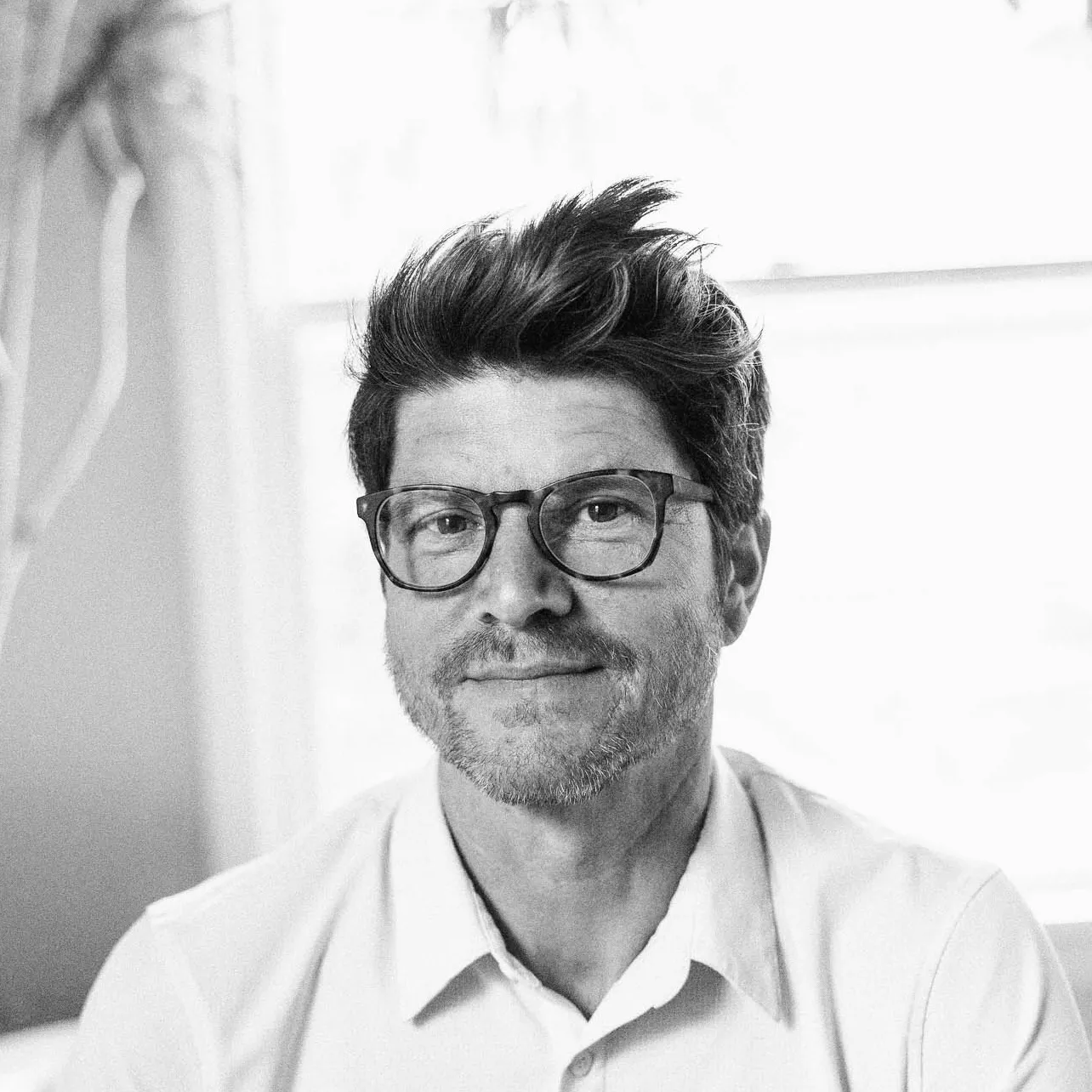
Peter teaches practitioners balancing the demands of work and family, the dizzying array of commitments modern life asks for. In a culture that prizes output, meditation gets quietly folded into self-optimization. He works the other way: practice as a means of meeting immediate experience, discomfort and all, as a reliable source of well-being.
He has completed the traditional three-year retreat and has been a Dharma Gar participant under Dzongsar Khyentse Rinpoche since 2008. Grounded in three decades of training, he brings Vajrayāna into direct conversation with the realities of modern life.
02
Jonny Miller
Guest · Nervous system & somatics
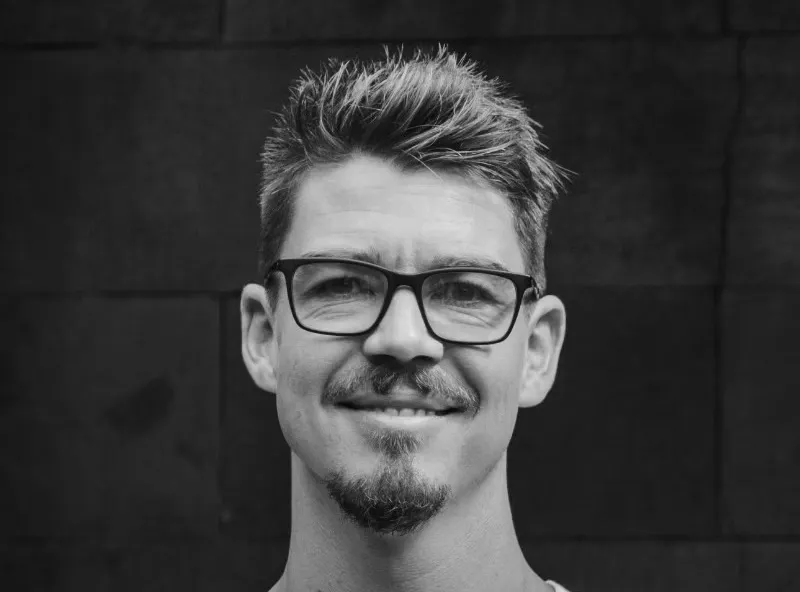
Jonny Miller helps founders and leaders cultivate calm and rewire their stress response. His course, Nervous System Mastery, offers evidence-backed protocols to rewire human neurobiology — a toolkit designed to cultivate calm, upgrade resilience, and increase aliveness.
He joins the course to share methods that promote healthy nervous-system response and recovery, combining current scientific findings with practical, accessible techniques.
03
Bruce Tift, MA, LMFT
Guest · Vajrayāna & psychotherapy
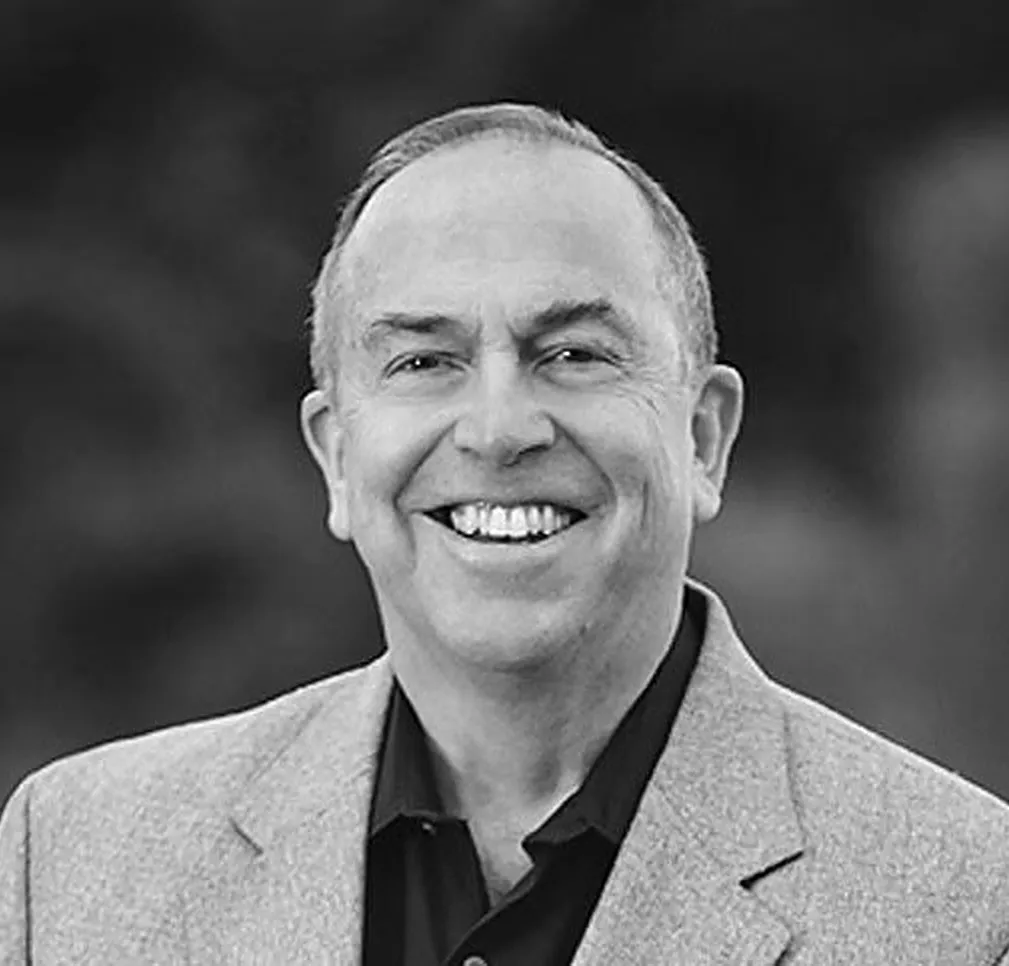
Bruce Tift has been in private practice since 1979, taught at Naropa University for twenty-five years, and worked in a psychiatric ward and as a family therapist with social services.
A practitioner of Vajrayāna Buddhism for more than forty years, he was a student of Chögyam Trungpa Rinpoche and brings four decades of integrating Buddhist practice with marriage and family therapy.
When you engage with the course, you become part of a community of people seeking practical ways to clarify what matters most and to address the obstacles to living with greater freedom, embodiment, and kindness. Throughout, we meet the challenges practitioners commonly face.
01
Difficulty integrating breakthrough experiences into daily life.
The work isn't maintaining peak states. We practice bringing the view down into ordinary activity — breath, posture, and sensation — so insight survives contact with a full life.
02
Balancing self-improvement with self-acceptance.
As long as we treat the self as something to fix, we reinforce the split we're trying to heal. We learn to stay with the contradiction rather than collapse it into a project.
03
Persistent stress and overstimulation.
Tummo breathwork and nervous-system methods train the capacity to downregulate — to meet charge and intensity without tipping into reactivity or shutdown.
04
Meditation or therapy that no longer touches what matters.
When practice feels stale, we reawaken embodied, sensation-level immediacy: a precise way to engage the architecture of self rather than circle it conceptually.
05
Relating to anxious feelings with unconditional kindness.
In brief moments of Dzogchen practice, we meet vulnerability at the level of raw sensation — no commentary, no story — turning anxious feeling into a doorway rather than a threat.
06
Past traumas resurfacing during meditation.
We pace the work and pair it with restorative, nervous-system-aware methods, so what surfaces can be metabolized with support rather than overwhelm.
Voices
what practitioners are saying
“Peter has a kind and generous teaching style. He has studied with traditional teachers, and manages to translate the practices for Westerners while preserving their essence.”
Brian Lewis, MD, MPHIntegrative Family Medicine, Asheville
“One of the most insightful, germane, and potent Vajrayāna teachings I've ever received. 10/10 recommend. Peter is beyond based.”
Matthew T. PhillipsSenior Cloud Engineer
“Strong recommendation for Peter. He's based, and a highly accomplished practitioner.”
Charlie AwberyFounder - Evolving Ground
“He's the real deal. A solid practitioner, very pragmatic, with a personable, approachable teaching style.”
Andrew GrahamLong-time Yogin
“Peter has succeeded in making a very complex and rich subject accessible. He is a thoughtful and approachable teacher. Highly recommended.”
Jenny BurkhardtBiomedical Engineer
“Peter is a humorous, knowledgeable, and creative teacher. He knows the whole path and can guide you beautifully, blending tradition with modernity.”
Yes. All sessions and study materials are recorded and posted to the learning platform, alongside pre-recorded practice tutorials.
What are the class times?
Live meetings are Wednesday evenings at 5:00 PM PST. Office hours are held on weekend mornings — a chance to clarify practice questions and go deeper into the material.
How is the eight weeks structured?
The program runs in two four-week parts, separated by a two-week break for integration and reflection. The break lets you incorporate the instruction into daily life before reconvening for the final part.
Do I need a background in Buddhism or Dzogchen?
No. The class doesn't require cultural or religious affiliation with Tibetan traditions, and it's taught in a modern, pragmatic style. The only requirement is being a human being with curiosity and grit. Whether you're entirely new or a seasoned practitioner, the course meets you where you are.
Is this safe if difficult material comes up?
The work is paced, and it's paired with restorative, nervous-system-aware methods — Jonny Miller joins to share recovery practices, and Bruce Tift brings four decades of therapeutic experience. If you have an active medical or mental-health condition, check in with your clinician before enrolling.
Incorporate embodied presence into your everyday routine. For those seeking to nurture embodied immediacy, work with their nervous system, and foster an attitude of open-hearted presence.
Includes
8 weekly 60-minute live Zoom sessions
Printed materials and pre-recorded practice tutorials
All sessions recorded and posted to the learning platform
Personalized Tummo and Dzogchen instruction. Includes 1:1 coaching sessions and unlimited voice-memo access to Peter. Selecting this tier supports the participation of scholarship students.
For students, BIPOC, monastics, health workers, or anyone who would like financial assistance. A few scholarships are available for those running lean — these practices are meant to be accessible. Reach out if you have questions.
Payments processed with Stripe
Start a practice today
A daily practice that supports open-hearted awareness and unconditional embodiment.