the field

Enrolling · Applications close September 5

Everyday AwakeningExperiencing the simultaneity of awareness and appearance

Everyday Awakening is a small, renewing cohort for people who have practiced for years and still feel the distance between understanding and felt experience.⁠ We train in recognizing the Dzogchen view without abandoning the value of honest personal work. Part of that training is dropping the effort to increase the experience of awareness, as if openness were somehow distinct from everyday life, until it becomes obvious that the two views were seamless all along.

ApplyBy application · 40 seats · Begins September 15, 2026

Stay connected

Join our newsletter

Curious about courses, coaching, group practice events, or just want to say hello?

Black-and-white painting of a swan in flight, wings spread
For everyone who feels they should be handling this better by now.
00

Course overview

Enroll today

Everyday Awakening is a renewing practice cohort that trains the view and personal, psychological work as a single discipline, across the personal, interpersonal, and spiritual.

Many retreat programs teach only one wing of the work: contemplative teachers who exile personal psychological work, therapists with no view, and somatic work with no lineage behind it. The swan of nonduality flies on two wings: the view that nothing is missing, and the relative work that cleans up our inner environment. The more we dissolve the fascination of personal drama, the more tolerance we have for consciously participating in the endless stream of experiencing.

01

Practicing together

Enroll today

For practitioners who still feel estranged from the simultaneity of awareness and appearance. This is a space for closing that distance in community.

01

The gap between insight and embodiment.

You know yourself as open awareness and still find yourself compulsively managing your inner life rather than simply inhabiting it. The work targets that felt discrepancy directly, where reading and retreats have not.

02

Using the view to skip the human material.

Spiritual answers to relational and emotional questions can lead to bypass and unnecessary suffering. If we're substituting a fantasy for immediate experience, it generates confusion, anxiety, disembodiment, and chronic struggle.

03

The same friction in every close relationship.

Most relational friction is two people using each other as thermostats for their own unregulated nervous systems. A significant part of this work is learning to stay in your own experience and drop the project of fusion and self-abandonment.

04

Practice that has quietly become self-aggression.

When contemplative work turns into another optimization project, it reinforces the split it claims to heal. The frame here is recovery, not achievement. Your patterns were adaptive, not failures.

05

Practicing alone, with no real container.

Depth work can flourish when we are witnessed by people who know us. The pod and the monthly session build a small field of people who see your practice over time, not a feed of strangers in a social media app.

06

Chasing states that fade.

States pass. Capacity remains. What this builds is the ability to stay present when experience is intense, contradictory, or groundless.

Course details

Rhythm

Renewing seasons, async-first. Each week: a recorded class with a paired guided audio sit, a live group Q&A with Peter (recorded), and a peer practice pod that meets on its own. Only the live elements are tied to a clock.

The monthly session

Once a month, Peter meets your pod live for an hour and works real personal material in the room. Not recorded, attended live. This is the center of gravity.

Your pod

A standing group of five members. You meet and sit together weekly on your own, and interface with Peter together monthly. Community supports a more profound, visceral, and deep appreciation for this work than you might reach alone.

The Practice Mirror

A short weekly check-in: a few questions and an anecdote, returned as a private reflection that investigates the places we fixate or avoid.

Who this is for

Practitioners who have hit the ceiling of their current approach. A daily practice floor of roughly 45 minutes. Not for anyone using awakening to skip the human work.

The study chat

Each participant gets access to a study AI chat built for this course. It holds the Dzogchen texts and commentaries we work from, so you can ask a question and get an answer drawn only from those texts, with citations. It's a reference tool, not a teacher — questions for a teacher belong in the weekly Q&A.

02

Instructor

Enroll today
01
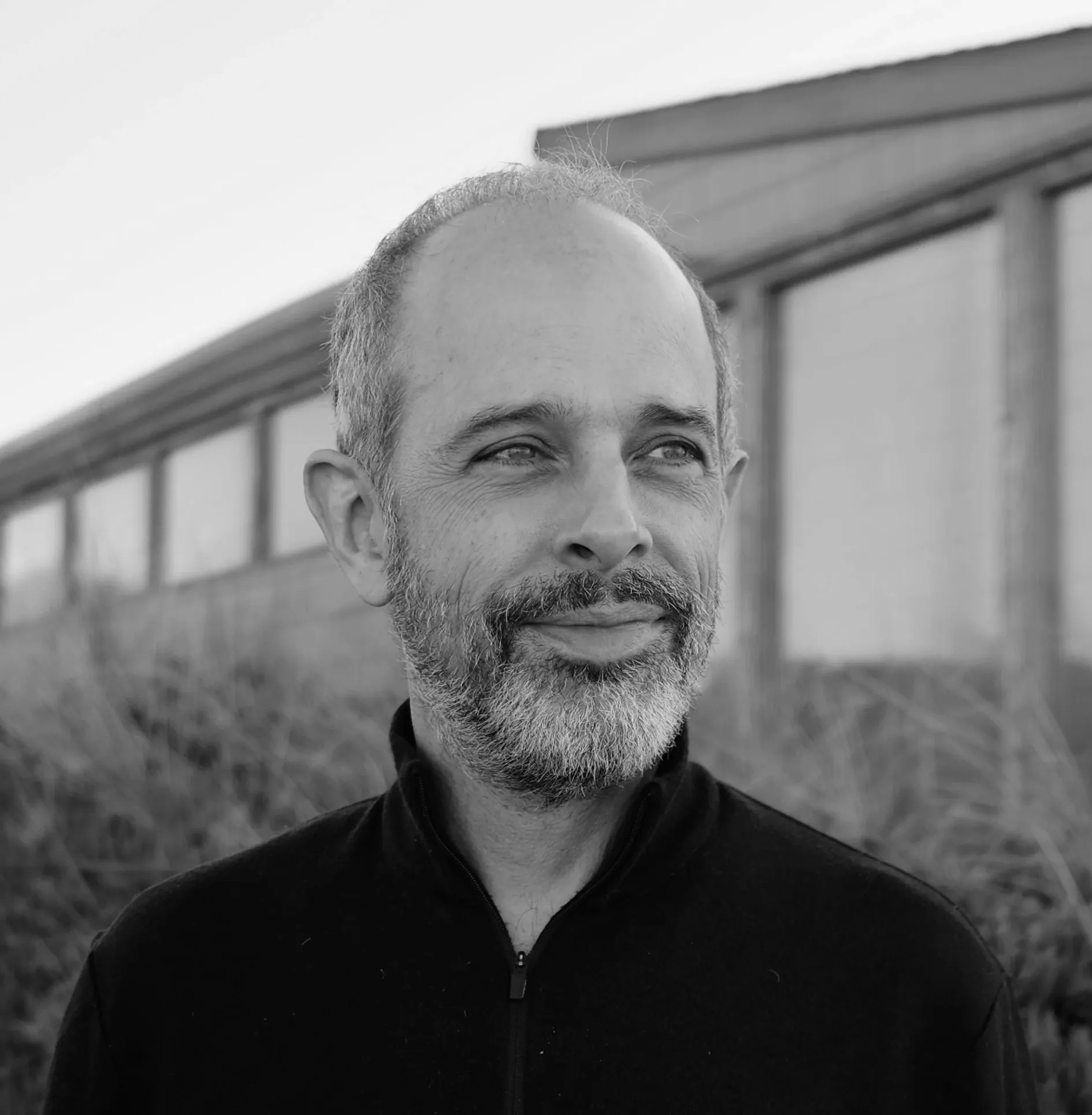
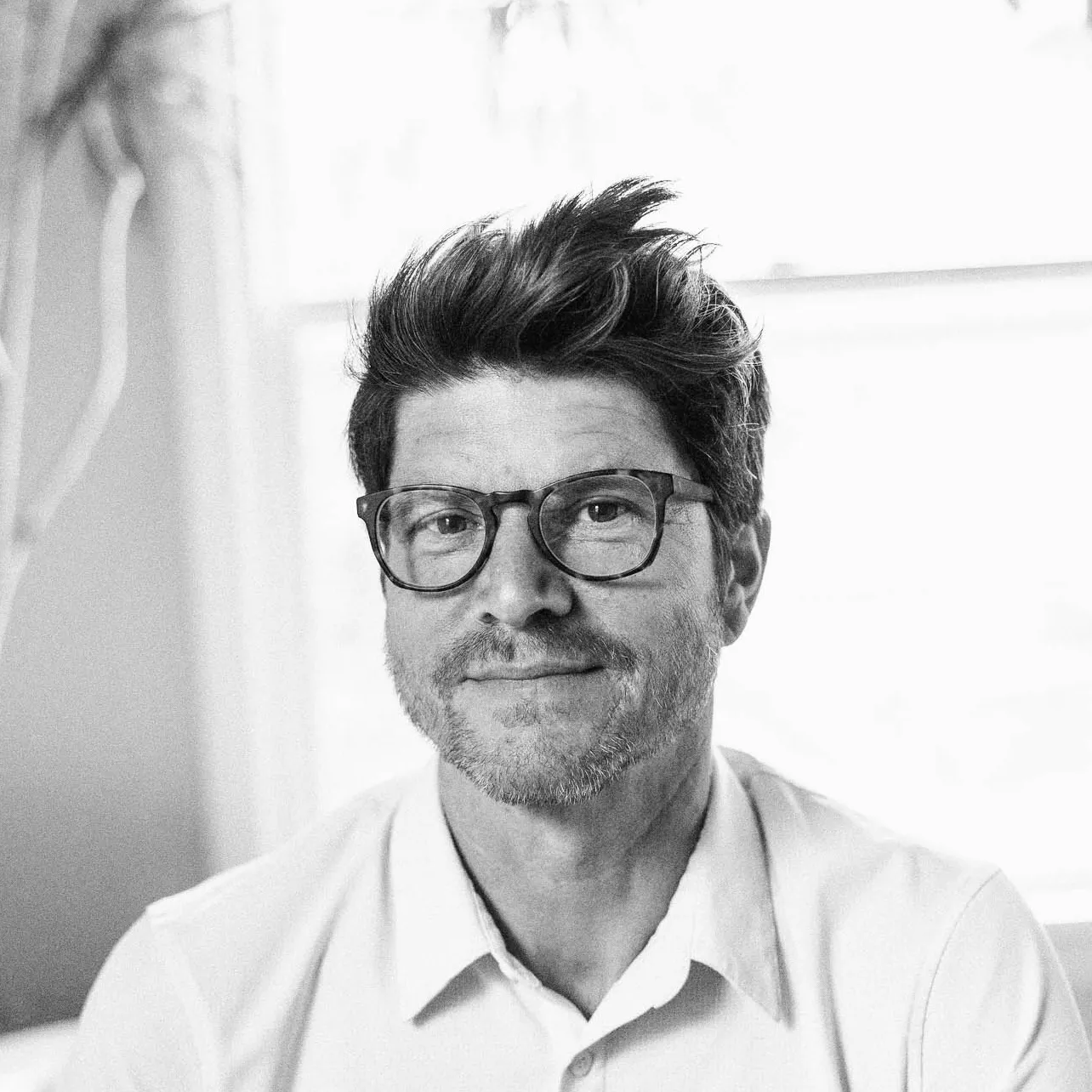
Portrait of Peter McEwen
Peter McEwen
Vajrayāna & somatic practice

Peter teaches practitioners balancing the demands of work and family, the dizzying array of commitments modern life asks for. In a culture that prizes output, meditation gets quietly folded into self-optimization. He works the other way: practice as a means of meeting immediate experience, discomfort and all, as a reliable source of well-being.

Since 1993 he has studied under Dzongsar Khyentse Rinpoche, Tulku Orgyen P'huntsok, Lama Pema Dorje Rinpoche, and Bhaka Tulku Rinpoche, and has completed the traditional three-year retreat. Peter brings his mentor Bruce Tift's psychological frame directly into the contemplative work.

02
TBD
Guest teachers

Direct lineage connections and senior teachers appear as guests through the season.

03

Curriculum

Enroll today
The Two Wings

Candrakīrti offers a poetic image: a king of swans flying ahead of the flock on two broad white wings, relative and ultimate, carried by the wind of merit to the far shore of a buddha's qualities. Though it belongs to the causal path, we use this simple idea to frame our work. Neither wing alone gets the bird across.

The relative wing is the personal work: the out-of-date survival strategies, run since childhood, that still organize how we engage with intimacy, work, and the body. We bring them into the open and update them without treating them as pathology. They were the best care you could take of yourself once. They are simply decades out of date.

The ultimate wing is the view: that under emotion is sensation, under sensation is open awareness, and that luminous awareness gives no support for establishing a problematic self. Dzogchen is the recognition of what is already the case. We train until the effortful alternation between the display of experience and openness gives way to an unforced recognition that they were never divided, yet never appearing the same way.

The path

The curriculum moves in a deliberate, classical order. Groundwork in śamatha and vipaśyanā, settling the mind and seeing clearly. Then the pathwork of the three sections of the inner tantras as outlined in the Lamrim Yeshe Nyingpo. Mahāyoga, the deity practice of guru, deity, and ḍākinī, which loosens the fixed sense identity. Anuyoga, the methods that clarify the union of appearance and emptiness. Rushen, the Dzogchen preliminary that distinguishes nirvāṇa from saṃsāra and familiarizes students with the six kinds of mythic beings. Then Dzogchen trekchö, cutting through to awareness directly. And, if there is time, preparatory discussions on Tögal.

The integration work is less a parallel track than a product of the classroom itself. The real interactions we share through the course become ongoing pith instructions: keeping self-care current, building skill in our interpersonal work, and loosening the seemingly invincible pull toward self-absorption. This is what keeps the practice honest and grounded instead of abstract.

Lineage

Direct lineage connections and senior teachers appear as guests through the season.

The methods are traditional and lineage-based; the surrounding container is contemporary. Everyday Awakening draws on the Nyingma Dzogchen tradition, the Dzogchen teachings of Padmasambhava's Lamrim Yeshe Nyingpo, and we also draw on Dudjom Lingpa's Vajra Essence, as well as the completion-stage view of Anuyoga. The fruitional recognition of unconditional awareness and the developmental maturation of character advance independently and must both be addressed and worked with. We may find that freedom is not the disappearance of disturbance but the willingness to engage with whatever arises with unconditional presence, embodiment, and kindness.

What we call Dzogchen is a wide field of lineages, revelations, and revisions. Its earliest layers reach back to the dynastic period (roughly the seventh to ninth century), but from the eleventh century onward Mahāsandhi proliferated, branching into entirely new cycles of practice. Before it was a monastic trademark it lived in clans and tantric households, where the pointing out of awareness was treated almost as a family inheritance, and in wandering yogis (kusali) with no institution behind them at all. The move into the great monasteries, and later into the systematic study of Mahāyāna philosophy, gave the tradition its rigor and also gave it the appearance of a single elite orthodoxy it never originally held. A great deal that was tuned to those earlier, looser, more local lives was lost in the move. I am interested in alternative starting places for contemporary students: how a working Western person, inside the distractions and pressures of this modern life, comes to recognize their own loving cognizance, and what attitudes, settings, and methods that recognition honestly asks for here, now, far from the shrine room and the hermitage. The eleventh-century yogis were improvising for their world, and we can make the effort not only to recognize luminosity but to craft our own lexicon of insight.

What gets called the “authentic dharma” is the retrospective effect of continuous revision, and lineage is a documentary record of those adaptations. The open, uncertain, free nature is already here, and the methods for meeting this life-giving truth keep evolving—which the conservative reflex resists. Vajrayāna's methods have been revised in every century of its existence. That is what has kept it from the fate of traditions that harden around a ritual form or a cultural aesthetic and grow less legible over time. It takes conscious experimentation to nurture the living core of these practices without stripping them of their context for secular convenience.
04

Questions

Enroll today
How much daily practice does it ask?

A practice floor of roughly 45 minutes a day. The weekly class ships with a paired guided sit, so the practice is structured rather than left to you to invent.

I'm not a beginner. Is this too foundational?

It assumes years of practice. The groundwork in śamatha and vipaśyanā is revisited as the base for the Dzogchen work, not taught as an introduction. If you have glimpsed the view and want to live from it, this is for you.

What happens in the monthly session?

Peter meets your pod live for about an hour and works two members' real material in the room while the others witness. It is not recorded, and attendance is live. It is the heart of the cohort.

I'm in Europe — can I join live?

Pods are grouped by timezone, and the monthly session meets each pod in its own window. The weekly Q&A is in the morning in the US and the evening in Europe, recorded for anyone who practices asynchronously.

How does the commitment and renewal work?

Enrollment runs a season, three months, payable in full or monthly on a three-month minimum. After the minimum, membership continues into the next season unless you step out at the boundary. The next season begins September 15, 2026, and applications close September 5.

What if I can't afford the Base tier?

Scholarship seats are need-based and offered as generosity, up to ten per season. Just ask. It is designed to offer dignity, not discount.

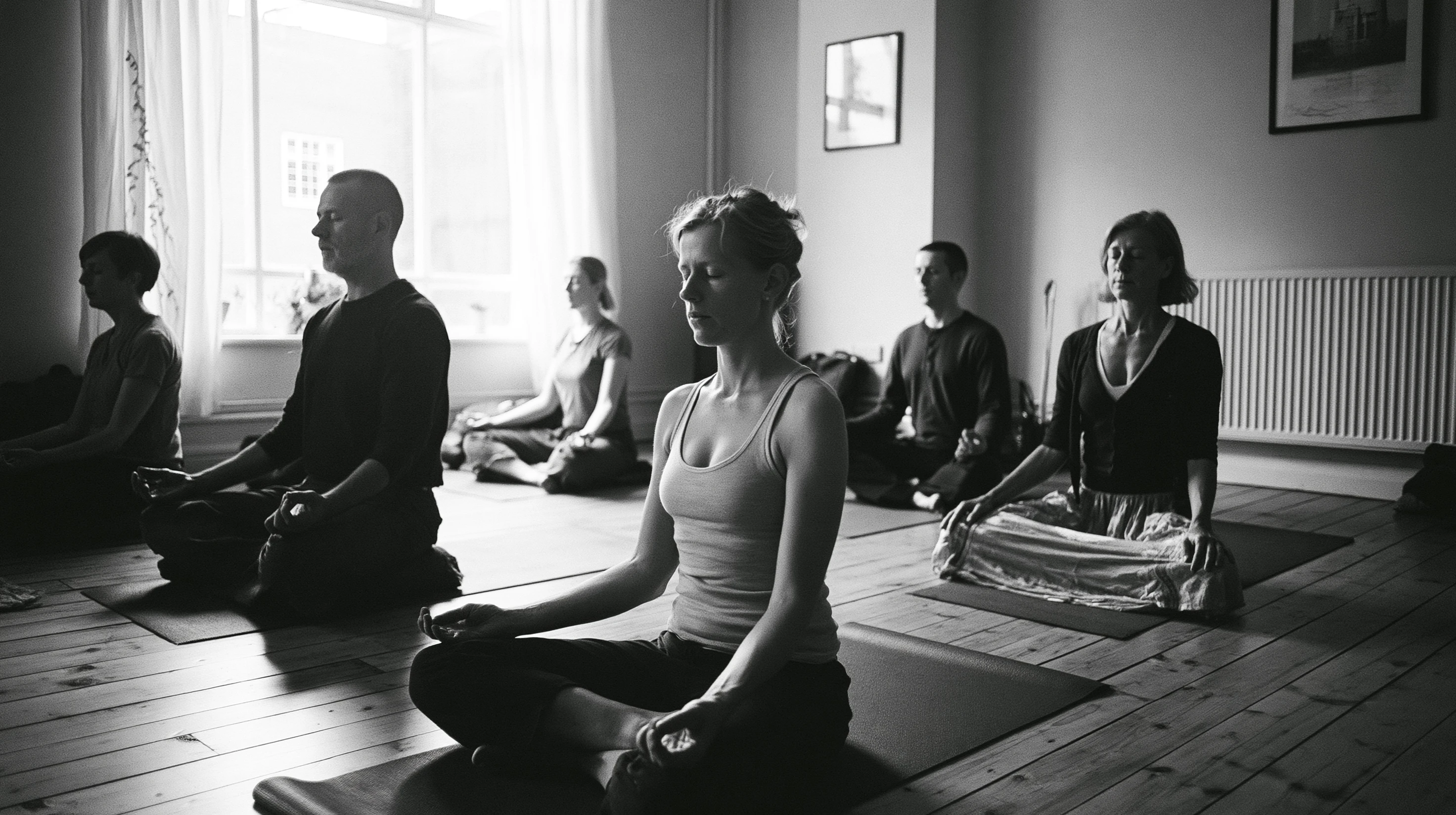
Black-and-white photograph of a small group meditating cross-legged on mats in a sunlit room

Investment

Per season. Pay in full, or monthly on a three-month minimum.

Base $1,500
Apply

Full membership: the weekly class and sit, the live Q&A, your practice pod, the weekly Practice Mirror, the monthly integration session with Peter, lineage guests, and Circle. Or $550/month on a three-month minimum. Pay in full saves $150.

Includes

  • Weekly pre-recorded class + guided audio sit
  • Weekly live group Q&A with Peter (recorded)
  • Standing pods of 5 + monthly integration session for each pod
  • The weekly Practice Mirror reflection
  • The course study AI chat, answering from our texts with citations
  • Lineage guest teachers and the Circle community access
  • 20% off all standalone courses and events
Supporting $2,250
Apply

Everything in Base, at a rate that helps fund scholarship seats so access does not depend on means. For members who can carry a little more so others can be here. Or $800/month; pay in full saves $150.

Everything in Base, plus:

  • Helps fund a scholarship seat
  • 20% off all standalone courses and events
Scholarship $750
Apply

Everything in Base, offered as generosity for practitioners with genuine financial need. Up to ten seats per season. Or $250/month. Designed to offer dignity, not discount. Just ask.

Payments processed with Stripe. Base and Supporting members receive 20% off all standalone courses. Micro-coaching available at $150 per 15 minutes.

Start a practice today

A daily practice that supports open-hearted awareness and unconditional embodiment.