Deep RestBuilding rest capacity while the holidays happen around you
Most rest training happens in ideal conditions — a quiet room, a cleared schedule, nobody asking anything of you. Then the holidays arrive and it comes apart. This course works the other way. We use the season itself as the testing ground, building rest in the exact conditions that usually dismantle it. The family dynamics that drain you by day two become information about how your nervous system actually works.
An experiential five-week training in genuine rest — built through somatic practice, nervous-system work, and contemplative methods, and tested against the most crowded weeks of the year. Over the five weeks, nine teachers work with you on the difference between collapse and restoration, and on building rest capacity that persists when conditions refuse to cooperate.
There's a difference between managing symptoms, forcing yourself to relax, and teaching your body what safety actually feels like. Most self-care reaches for the first two and leaves you more wound up than before. This course is after the third. You'll learn to track your own internal state closely enough to know when you're actually resting rather than performing rest, and to pay down what Jonny Miller calls emotional debt, the accumulated charge the body carries, while the holidays are happening around you.
Think of it as field research. Every holiday dinner becomes data. Every overwhelming moment becomes a chance to practice finding your center. The stress isn't avoided; it becomes the material you work with. By January you won't just have survived the season. You'll have methods you can verify through your own experience and reach for when life is at its least convenient.
Curriculum
Many lineages, one practical test
Several sessions work directly with the pithy instructions of Mahamudra and Dzogchen, where you learn to rest in immediate, unstructured experience without elaborate technique. Chandra Easton teaches the devotional methods of tantric yoga, using rhythm, sound, and bhakti to settle the nervous system through engagement rather than withdrawal.
Other teachers approach rest through polyvagal theory, somatic therapy, and plain nervous-system literacy, translating the research into protocols you can actually run. What connects them is overlap in practice, not theory: each one trains your nervous system to meet stress as it arrives, using methods you can check against direct experience.
The science of genuine rest
We draw on Non-Sleep Deep Rest (NSDR), which research links to sharp rises in dopamine and drops in stress hormones, and on breathwork grounded in polyvagal theory that shifts the body between activation and rest. Practices ranging from jhana to somatic regulation work at the physiological level to help the body return to baseline more efficiently after stress.
Rick Hanson's work shows these changes can counteract the brain's built-in bias toward the negative. Drawing on attachment theory and social neuroscience, we also teach how to stay connected while setting boundaries in difficult company — because genuine rest isn't a particular state, it's the flexibility to meet what arrives with less reactivity and more choice.
Working with disturbance, not against it
The course is shaped by Bruce Tift's framework for existential intensity. Rather than treating disturbance as something to eliminate, you learn a curious, conscious relationship with difficult emotion and sensation — recognizing anxiety, panic, and overwhelm as possible doorways rather than problems to solve.
We train to stay with raw sensation without immediately building a story about what it means. The capacity to tolerate formless vulnerability without rushing toward resolution is what makes rest resilient. It stops depending on conditions being comfortable.
Course details
Schedule
A five-week course beginning Autumn 2026. Most meetings are Saturdays at 9am PST, live on Zoom, with practice labs for group coherence. The schedule is intentionally irregular — rest teachers have holiday plans too — and every session is recorded.
Materials
All sessions and study materials are hosted on Circle, alongside pre-recorded tutorials and printed materials that accompany the live teachings.
Practice labs
Four lab sessions sit alongside the seven live teachings — time to build group coherence and find what actually works for your own nervous system, not just what works in theory.
Community
You join a field of committed practitioners through The Field Discord — people testing their lives as vessels for clarity, embodiment, and freedom, not just collecting tools.
Who this is for
No cultural or religious affiliation with Tibetan traditions is required. The only requirement is being a human being with curiosity and grit — and, ideally, a holiday season busy enough to practice on.
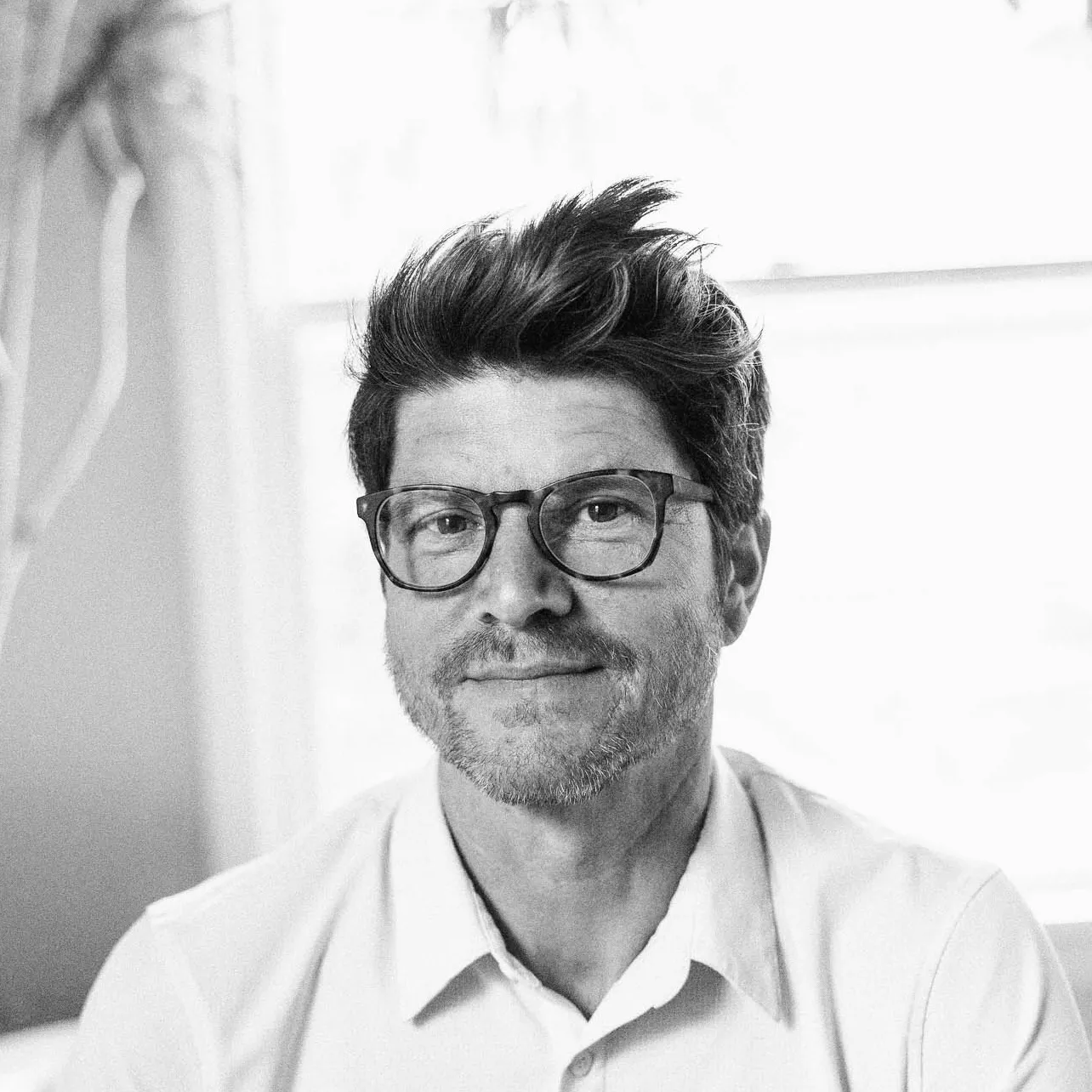
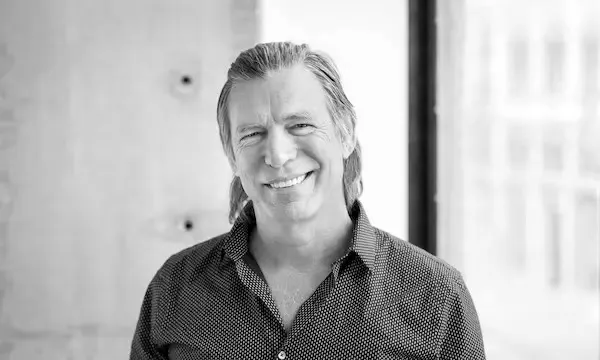
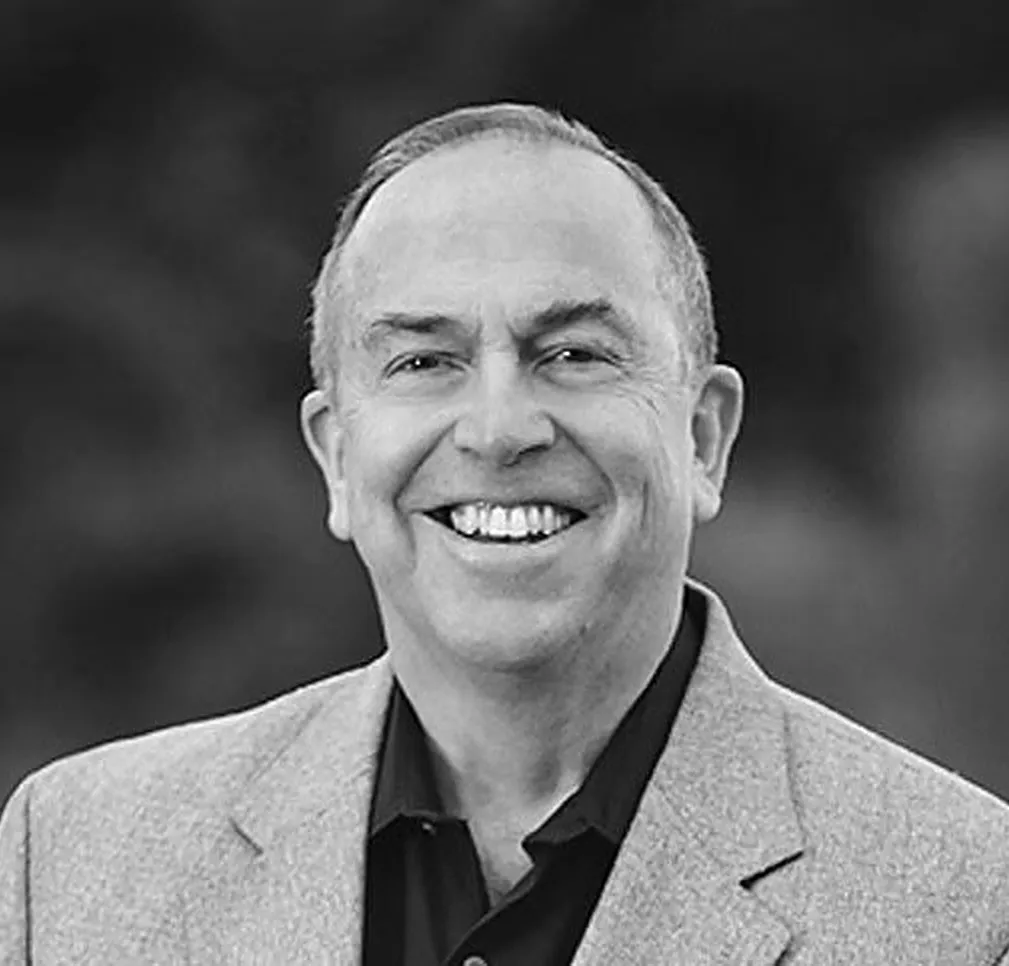
Peter teaches practitioners balancing the demands of work and family, the dizzying array of commitments modern life asks for. In a culture that prizes output, meditation gets quietly folded into self-optimization. He works the other way: practice as a means of meeting immediate experience, discomfort and all, as a reliable source of well-being.
He has completed the traditional three-year retreat and has studied since 1993 under Dzongsar Khyentse Rinpoche, Tulku Orgyen P'huntsok, Lama Pema Dorje Rinpoche, and Bruce Tift. He hosts the course and holds the through-line across the teachers.
02
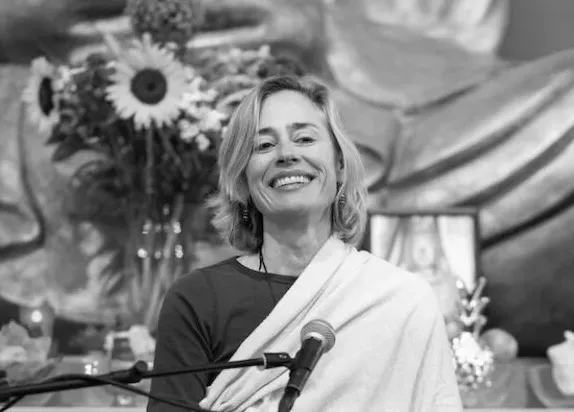
Lopön Chandra Easton
Guest · Vajrayāna & embodiment
A Vajra teacher (Dorje Lopön) and author of Embodying Tara, Chandra brings embodiment, movement, and the feminine back to the center of contemplative practice.
A Dharma teacher and translator of Tibetan Buddhist texts, she develops curricula for Tara Mandala Retreat Center. Here she teaches the devotional methods of tantric yoga — rhythm, sound, and bhakti — settling the nervous system through engagement rather than withdrawal.
03
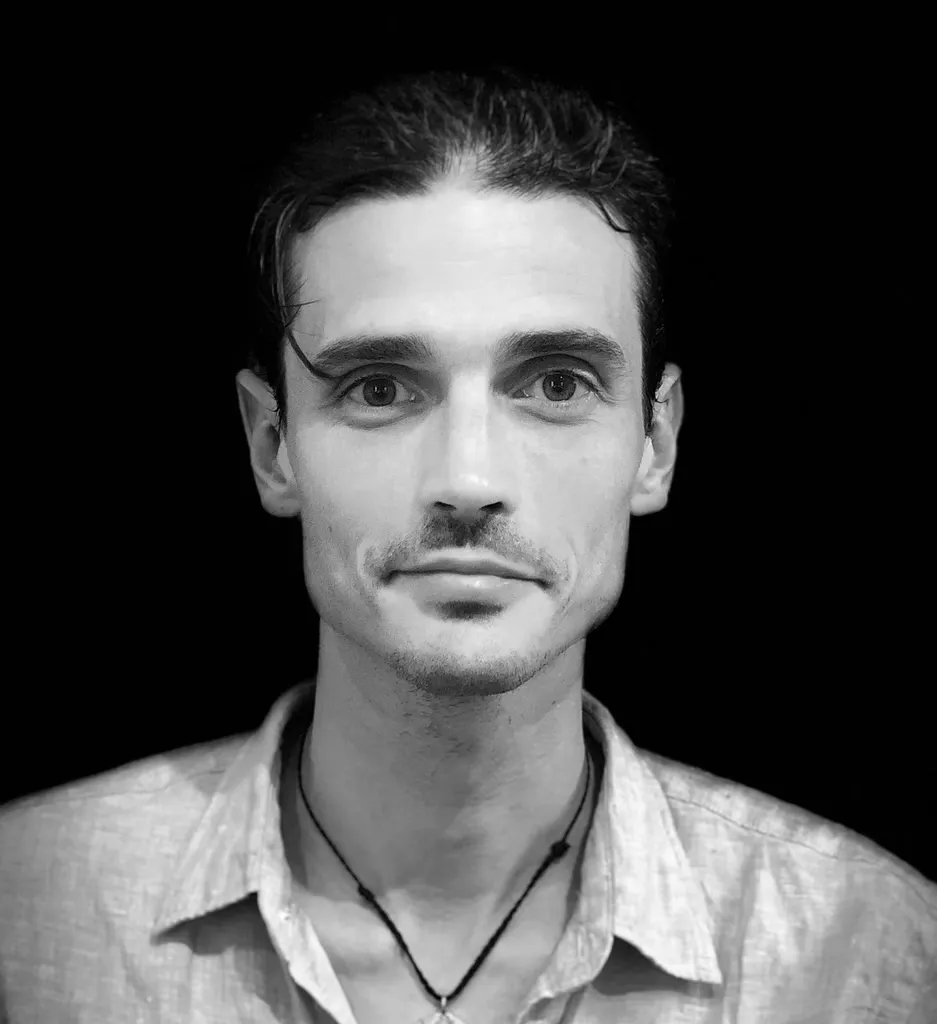
Lama Karma Justin Wall
Guest · Mahāmudrā & Dzogchen
Lama Karma teaches Mahāmudrā and Dzogchen meditation, making esoteric practices accessible without diluting them. A Columbia graduate, he has completed the traditional three-year retreats.
He works directly with the pithy instructions for resting in immediate, unstructured experience — the unelaborated heart of the course's contemplative sessions.
04
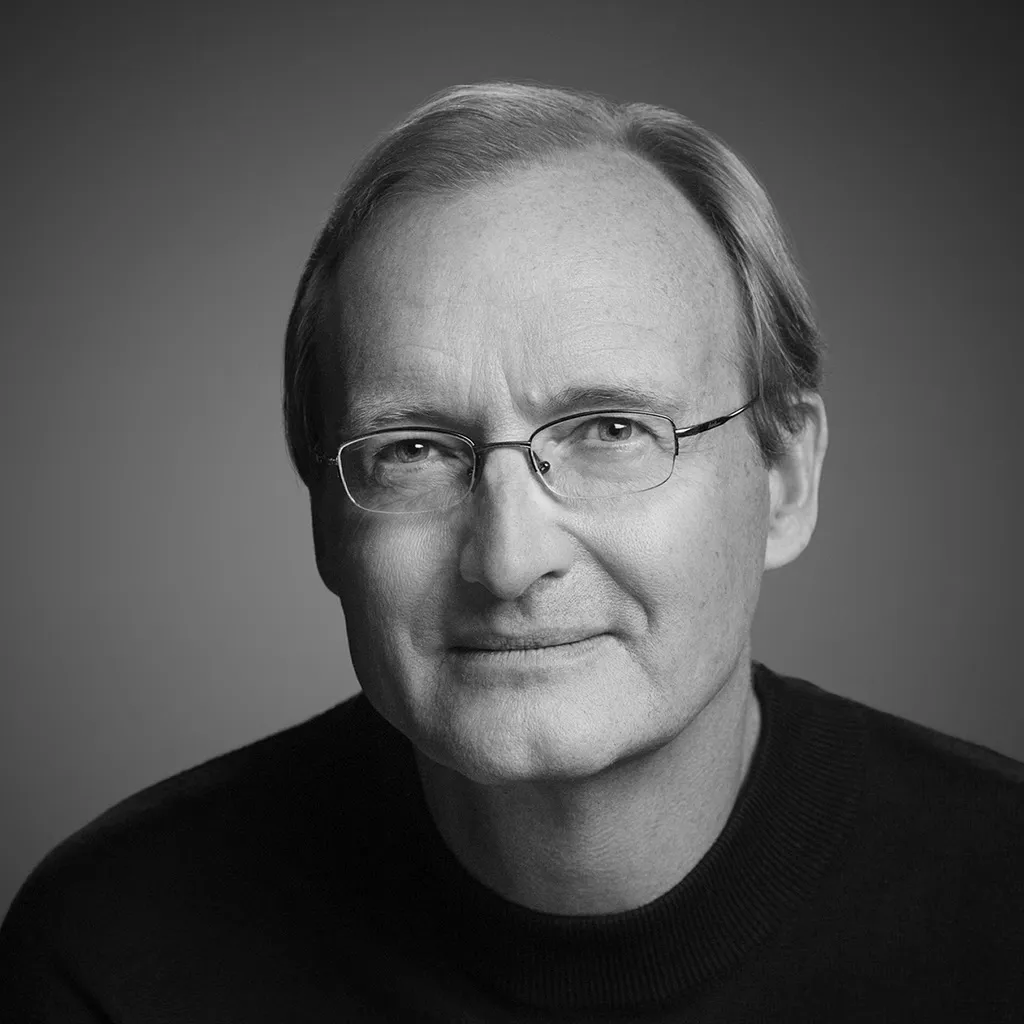
Andrew Holecek
Guest · Dream yoga & dark retreat
An interdisciplinary scholar-practitioner in Tibetan Buddhism and other nondual traditions, Andrew's work centers on dream yoga and the practice of dark retreat.
He has completed the traditional three-year retreat and is a frequent subject in scientific studies on meditation and lucid dreaming.
05
Michael Taft
Guest · Tantric view & open awareness
A meditation teacher, author, and podcaster, Michael has practiced for more than thirty-five years across Buddhist and Hindu Tantric traditions.
Co-founder of the Alembic center in Berkeley, he teaches the Tantric view of open mind and unconditional kindness.
06
Stephen Zerfas
Guest · Jhāna & meditative absorption
Co-founder of Jhourney, Stephen stumbled into jhāna during a personal crisis.
He has since guided over four hundred people into these profound states of meditative bliss — deep rest reached through absorption rather than effort.
07
Jonny Miller
Guest · Nervous-system regulation
Jonny founded Nervous System Mastery, where he has taught over a thousand students practical, body-based protocols for cultivating calm and rewiring the stress response.
He joins to work on what he calls emotional debt — the accumulated charge the body carries — and on the practices that let it be paid down rather than postponed.
08
Emma Treharne
Guest · Yoga nidra & somatic rest
Emma specializes in somatic work with women through yoga nidra and nervous-system regulation.
She teaches how to find the inner refuge where genuine rest becomes possible.
09
Bruce Tift, MA, LMFT
Guest · Psychotherapy & Vajrayāna
A psychotherapist in private practice since 1979 and a Vajrayāna practitioner of more than forty years, Bruce is the author of Already Free.
He explores how Buddhism's fruitional approach and psychotherapy's developmental approach complement each other — the framework for existential intensity that shapes how this course works with disturbance.
When you join Deep Rest, you enter a field of committed practitioners — people testing their lives as vessels for clarity, embodiment, and freedom, not just seeking tools. Together we explore how somatic practice, nervous-system science, and contemplative traditions reveal where rest actually lives in the body. The course doesn't promise escape from holiday chaos. It offers concrete methods for finding settledness while life keeps happening around you.
01
Mistaking collapse for rest.
Shutting down and restoring look similar from the outside and feel completely different from the inside. We learn to tell them apart, so the self-care you reach for actually leaves you more settled instead of more wound up.
02
Overwhelm and existential intensity.
Breath and visualization expand your capacity to stay with what's hard to hold. These methods train a nervous system that can hold charge, clarity, and contact without defaulting to collapse or dissociation.
03
Emotional reactivity that hijacks clarity.
We don't override or analyze. We enter into relationship with embodied immediacy, meeting difficult states with radical kindness and turning anxious feeling into a doorway instead of a threat.
04
A scattered or mechanical practice.
If your practice feels fragmented or stale, this course helps you root it in a coherent, sustainable rhythm through breath, image, and awareness. Not just impactful, but alive. Methods you can inhabit.
05
Rest that evaporates the moment conditions get hard.
Capacity built in a quiet room rarely survives a crowded kitchen. We build it where it has to hold — in real company, under real obligation — so it stays available when you need it most.
Voices
what practitioners are saying
“Peter has a kind and generous teaching style. He has studied with traditional teachers, and manages to translate the practices for Westerners while preserving their essence.”
Brian Lewis, MD, MPHIntegrative Family Medicine, Asheville
“One of the most insightful, germane, and potent Vajrayāna teachings I've ever received. 10/10 recommend. Peter is beyond based.”
Matthew T. PhillipsSenior Cloud Engineer
“Strong recommendation for Peter. He's based, and a highly accomplished practitioner.”
Charlie AwberyFounder - Evolving Ground
“He's the real deal. A solid practitioner, very pragmatic, with a personable, approachable teaching style.”
Andrew GrahamLong-time Yogin
“Peter has succeeded in making a very complex and rich subject accessible. He is a thoughtful and approachable teacher. Highly recommended.”
Jenny BurkhardtBiomedical Engineer
“Peter is a humorous, knowledgeable, and creative teacher. He knows the whole path and can guide you beautifully, blending tradition with modernity.”
Yes. Every session is recorded and hosted on Circle, alongside pre-recorded tutorials and printed materials. If a teaching lands in the middle of your holiday travel, you can practice with it later.
What are the class times?
Most meetings are Saturdays at 9am PST, live on Zoom. The schedule is intentionally irregular across the five weeks — the rest teachers have holiday plans too — and recordings cover anything you miss.
How is the course structured?
Seven live teachings and four practice labs over five weeks. The teachings carry the methods; the labs are where you build group coherence and find what actually works for your own nervous system.
Do I need a background in meditation or somatic work?
No. The course doesn't require cultural or religious affiliation with Tibetan traditions, and the methods are taught so you can verify them through your own experience. The only requirement is being a human being with curiosity and grit.
Is this safe if difficult material comes up?
We work with disturbance rather than against it, and we pace it. Even so, this work brings you into contact with intensity rather than around it. If you have an active medical or mental-health condition, check in with your clinician before enrolling.
What's the difference between the two tiers?
The content is identical. The scholarship tier is offered at half the price for students and health practitioners. Choose the one that fits your situation.
A practical training in the physiology and practice of genuine rest. Learn to tell collapse from restoration and build nervous-system capacity that persists when conditions are difficult. The holiday stress isn't avoided; it becomes your testing ground.
The same training, at half the price, for students and health practitioners. What usually exhausts you becomes data; what once felt impossible becomes a learnable skill you can reach for when you need it most.
Includes
7 live teachings + 4 lab sessions
The Field Discord for community dialogue
All recordings and materials hosted on Circle
Payments processed with Stripe
Start a practice today
A daily practice that supports open-hearted awareness and unconditional embodiment.