Module I
Foundations
An introduction to the subtle body practices that prepare for Tummo proper: the channels, winds, and essences, and the stability inner fire yoga depends on.
Upcoming course · Begins Autumn 2026
Inner fire
The inner heat yogas are a practical, somatic way to dismantle the habit of self-absorption. Posture, breath retention, and visualization build the confidence to stay with intensity instead of recoiling from it. Warmth is a byproduct. The work is loosening the knots that hold habitual experience in place, with the body as the laboratory.

Tummo · Inner Fire
Tummo unfolds across two modules. Foundations prepares the subtle body; Union ignites it. You can begin with Foundations and continue into Union when you're ready.
An introduction to the subtle body practices that prepare for Tummo proper: the channels, winds, and essences, and the stability inner fire yoga depends on.
The completion-stage practice itself: kindling Caṇḍālī at the navel and recognizing the union of appearance and openness through vase breathing and the subsidiary yogas.
Shared fruits of the method — digestive fire, enhanced immunity, creative power, fortified libido, and a felt sense of lightness and well-being.
This course builds inner fire from the ground up, across two modules. We begin by preparing the subtle body through breath, posture, and visualization, then move into the completion-stage work of Caṇḍālī, where the inner heat is kindled and the union of bliss and openness becomes a matter of direct experience.
Tummo will not lift you out of your messy human life. It dissolves the apparent conflict between the messy and the transcendent. In posture, breath retention, and visualization we challenge the habitual ways we frame experience. We own our disturbance instead of managing it, and we work directly with the sense of a divided self.
The practice is grounded in Rangjung Dorje's Zabmo Nangdon (ཟབ་མོ་ནང་དོན), a fourteenth-century treatise on prāṇa, bindu, and nāḍī. We read it as a lab report rather than a policy document, and stay close to its experiential core.
Course details
Module I runs four weeks, beginning Autumn 2026. Module II follows over eight weeks, with a two-week integration break midway. Classes are held Wednesdays; office hours are Saturdays at 10am MST (6pm CEST).
All sessions are recorded and posted to the learning platform, alongside pre-recorded video, printed content, and yantra exercises.
Saturdays at 10am MST (6pm CEST) throughout the course. Time to clarify practice questions and go deeper into the material.
We learn by teaching one another. Cohort members connect and share their practice through The Field Discord.
No cultural or religious affiliation with Tibetan traditions is required. The only requirement is being a human being with curiosity and grit.
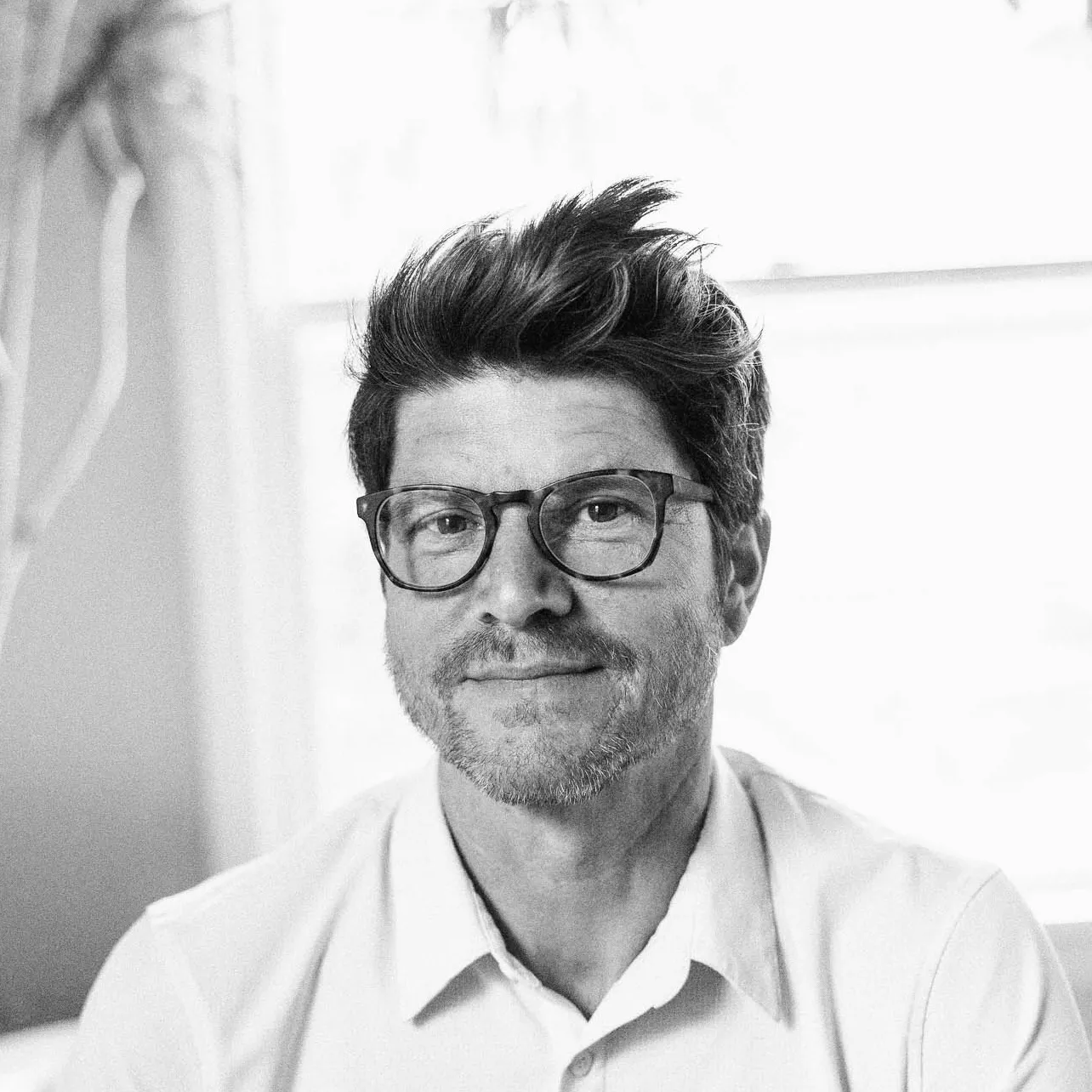
Peter teaches practitioners balancing the demands of work and family, the dizzying array of commitments modern life asks for. In a culture that prizes output, meditation gets quietly folded into self-optimization. He works the other way: practice as a means of meeting immediate experience, discomfort and all, as a reliable source of well-being.
Since 1993 he has studied under Dzongsar Khyentse Rinpoche, Tulku Orgyen P'huntsok, Lama Pema Dorje Rinpoche, and Bruce Tift, and has completed the traditional three-year retreat. Grounded in three decades of training, he brings Vajrayāna into direct conversation with the realities of modern life.
Talks and interviews on inner fire and Vajrayāna practice.
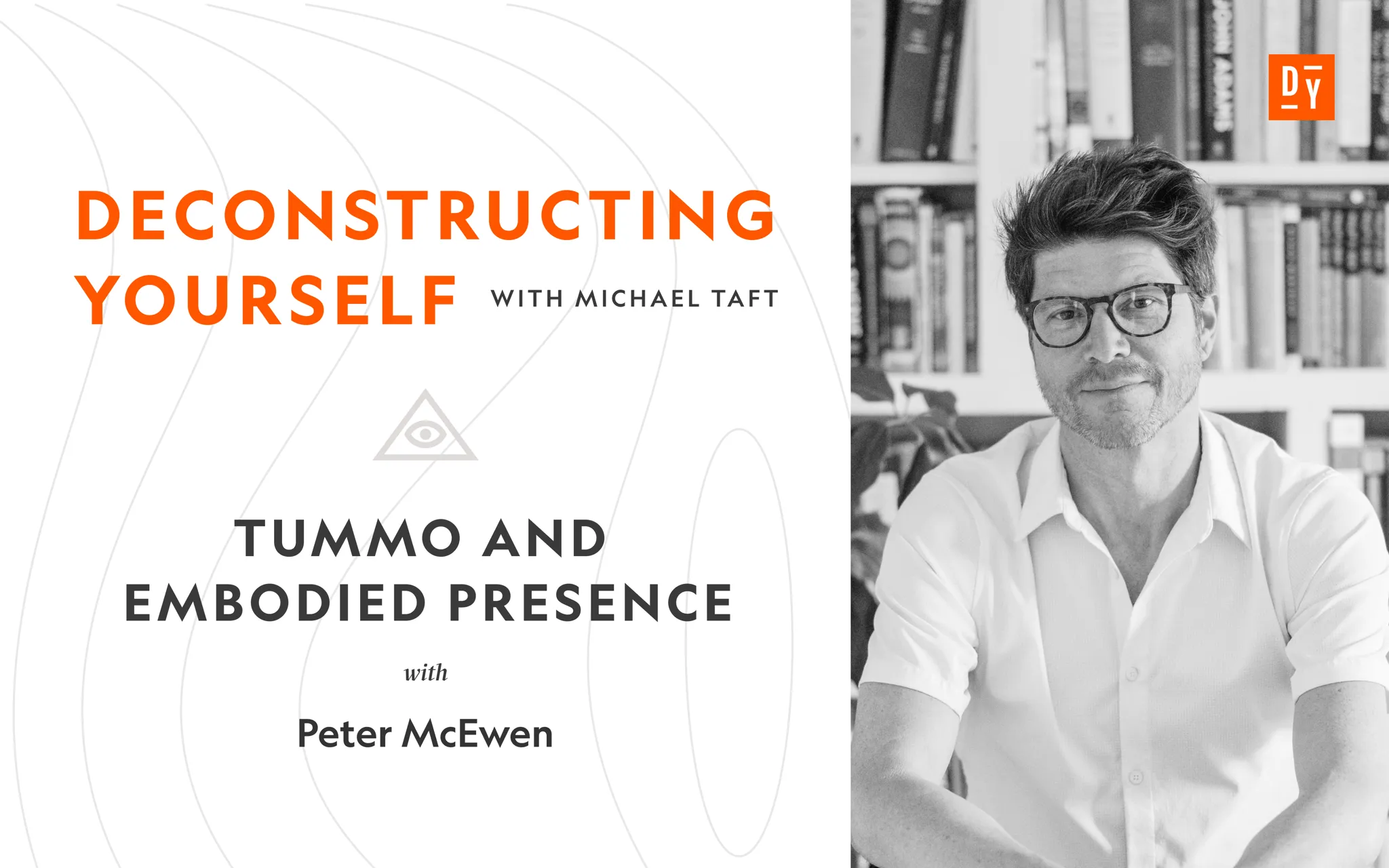
Peter joins Michael Taft to talk about embodied immediacy, navigating disturbing experience, open awareness, and how Tummo works with our refusal to enter intensity.
Watch →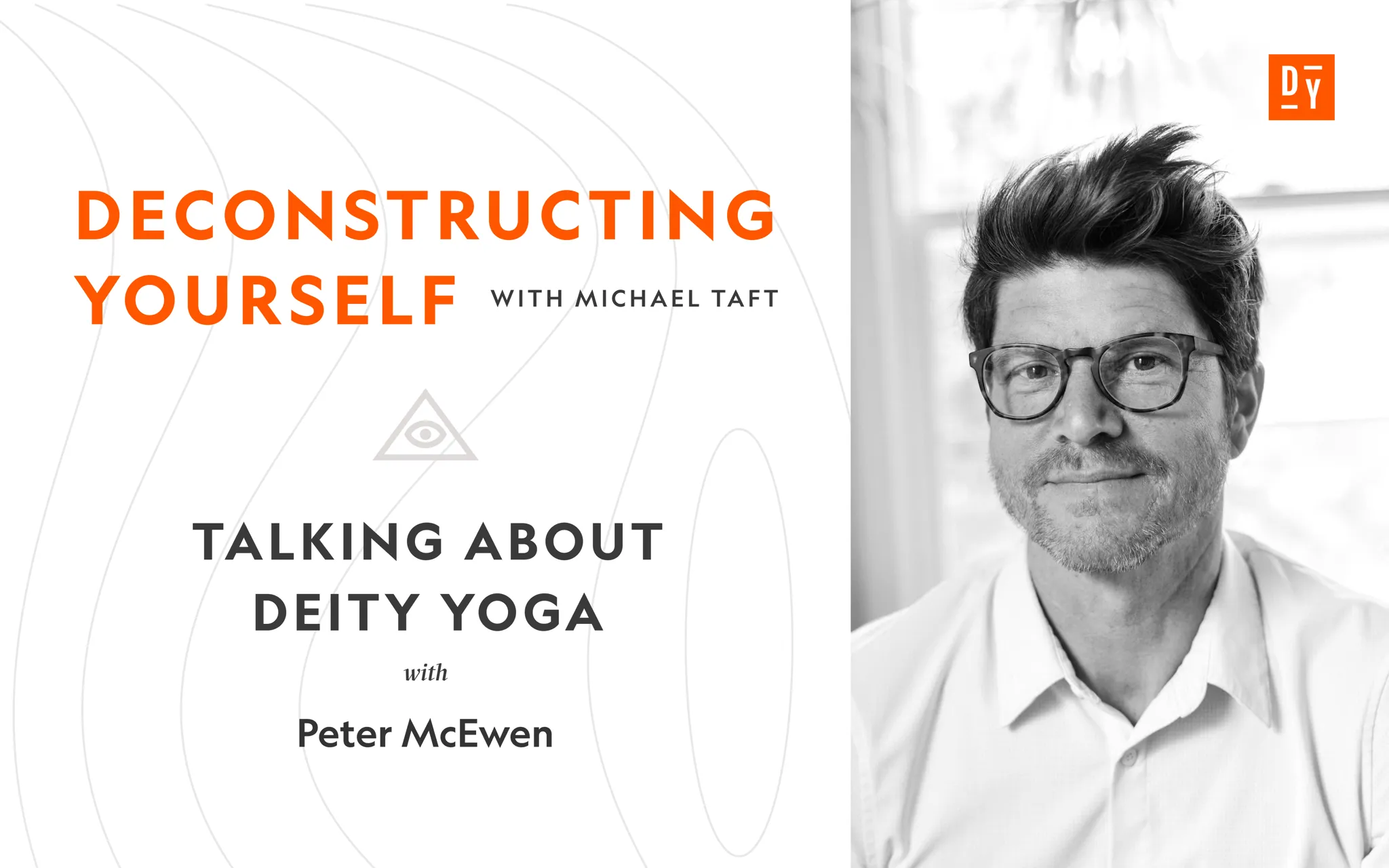
A conversation on devotion in practice, stability in groundlessness, and the union of emptiness and vivid appearance in the Vajrayāna tradition.
Watch →An introduction to the subtle body practices that prepare for Tummo proper. We study the channels, winds, and essences, visualize the channels and chakras as the body's maṇḍala, and learn breath retention with safety and clarity first.
Alongside the formal practice, we learn to acclimate to intensity without abandoning ourselves, and to build vitality. Module I works for beginners and for experienced practitioners. By the end you'll have the skills to continue safely into Module II.
Module II opens with the Dzogchen view and its relationship to the completion-stage practice of Anuyoga. We deepen vase breathing, refine the visualization of channels and bindus, and kindle the vital essence at the navel to ignite Caṇḍālī. The subsidiary yogas of day, night, and dream are introduced.
We also train in expelling and leading the winds through the channels, strengthening the visualization of the subtle body, and initiating the blazing and melting of the vital essence — recognizing the illusory forms that arise in practice as expressions of emptiness.
Continues from Foundations
The people who join this course are committed practitioners. Together we use visualization, somatic attention, and the tantric view to find the places where we still contract, perform, or delay. Here are the common challenges this work meets.
Most of us treat the self as something to manage, idealize, improve, or accept, and breakthrough experiences get absorbed into that project. This course trains a slower move: we stop treating the self as an object at all.
As long as we treat identity as something to manage or repair, we reinforce the split we're trying to heal. This course offers a way to stay with contradiction without collapsing it into a story or a fixed self.
Breath and visualization expand your capacity to stay with what is hard to hold. These methods train a nervous system that can hold charge, clarity, and contact without defaulting to collapse or dissociation.
When insight feels distant or stale, this course brings back imaginal practice as a precise way to work with breath, form, sensation, and the symbols that shape experience.
We enter into relationship with embodied immediacy and meet difficult states with kindness. Anxious feeling becomes a way in.
If your practice feels fragmented, this course roots it in a steady rhythm of breath, image, and awareness that you can keep up.
Tummo's movement and breath-retention methods build the capacity to stay with existential intensity without dropping into a habitual reactive response.
Inner fire asks us to participate wholeheartedly in the vivid appearance of experience, dismantling the habit of taking appearances as having an objective, essential nature.
Tummo familiarizes the practitioner with the stages of death and the dissolution of the subtle elements. As the elements dissolve into one another, the completion yogas rehearse what happens when a person dies naturally.
Nondual experience is the point. The method also has side effects: digestive fire, stronger immunity, creative power, fortified libido, and a felt sense of lightness and well-being.
“Peter has a kind and generous teaching style. He has studied with traditional teachers, and manages to translate the practices for Westerners while preserving their essence.”
“One of the most insightful, germane, and potent Vajrayāna teachings I've ever received. 10/10 recommend. Peter is beyond based.”
“Strong recommendation for Peter. He's based, and a highly accomplished practitioner.”
“He's the real deal. A solid practitioner, very pragmatic, with a personable, approachable teaching style.”
“Peter has succeeded in making a very complex and rich subject accessible. He is a thoughtful and approachable teacher. Highly recommended.”
“Peter is a humorous, knowledgeable, and creative teacher. He knows the whole path and can guide you beautifully, blending tradition with modernity.”
Yes. Every session is recorded and posted to the learning platform, usually within a day. Office-hour sessions are recorded as well.
Office hours are held Saturdays at 10am MST, which is 6pm CEST and works for most participants. Recordings are available for anyone practicing asynchronously.
No specific background is required for Module I; it's built as an accessible entry point. Module II assumes you've completed Module I or already have a strong foundation. Sanskrit and Tibetan terms are introduced as we use them.
No. The class doesn't require cultural or religious affiliation with Tibetan traditions. The only requirement is being a human being with curiosity and grit.
Module II is intended for those who have completed Module I or who already have a strong foundation in subtle body practice. If you're unsure whether your background fits, reach out before enrolling.
We teach breath retention grounded in safety and clarity, and we pace the practice. Even so, this work is potent, and it's meant to bring you into contact with intensity rather than around it. If you have an active medical or mental-health condition, check in with your clinician before enrolling.
Three ways to enroll
Bring Tummo into your everyday practice. Four weeks of foundational subtle body work: breath, posture, visualization, and mantra. For anyone who wants to build embodied immediacy and work with their own intensity.
Includes
Enroll in both modules and follow the full arc of Tummo, from foundations to completion stage. Prepare the subtle body in Module I, then continue into Caṇḍālī in Module II, where the inner fire is kindled and the union of bliss and openness becomes direct experience.
Includes
The eight-week completion-stage intensive. For practitioners ready to kindle Caṇḍālī, deepen vase breathing, and work directly with the blazing and dripping cycles of inner fire. Assumes Module I or an equivalent foundation.
Includes
Payments processed with Stripe
A daily practice that supports open-hearted awareness and unconditional embodiment.

